What are the key differences between neoprene and latex slimming belts for wholesale sourcing?
- VIP-User
- 2026-07-01
- 30
Wholesale sourcing of slimming belts requires evaluating material durability, thermal retention, and allergen risks. Neoprene slimming belts offer excellent heat insulation and flexibility at a lower cost, making them ideal for budget-conscious fitness markets. Latex belts provide superior compression and structural support but carry latex-allergy risks and higher production costs.
Core Solutions & Key Takeaways
- Targeted Application Scenarios: Neoprene is highly effective for fitness and post-workout recovery by accelerating local sweating. Latex is preferred in professional beauty and shapewear scenarios due to its high elastic tension.
- Allergen Considerations: Latex presents an allergen risk for a percentage of end-users, whereas neoprene is hypoallergenic but can cause minor skin irritation if sweat is trapped for extended periods.
- Advanced Electronic Alternatives: Modern wholesale markets are shifting toward active therapy devices. The Photon Lights Vibration Belt (Model: BW-888) utilizes PU leather, carbon fiber heating, dual vibration motors, and dual airbags, bypassing the limitations of passive neoprene and latex compression.
- Compliance and Quality Assurance: Global trade demands strict certification. High-quality manufacturing standards require certifications such as CE, RoHS, FCC, and UKCA to enter European and North American retail channels.
Detailed Architectural & Principle Analysis
Traditional passive slimming belts rely entirely on the physical characteristics of their materials. Neoprene, a synthetic rubber, features a closed-cell structure that traps body heat. This raises local skin temperature, increasing perspiration during workouts. It is highly flexible and durable but offers moderate structural shaping. Latex, harvested from rubber trees or synthesized, possesses high tensile strength and elasticity. It exerts high mechanical pressure to instantly cinch the waistline, making it popular in the shapewear industry, though it lacks breathability.
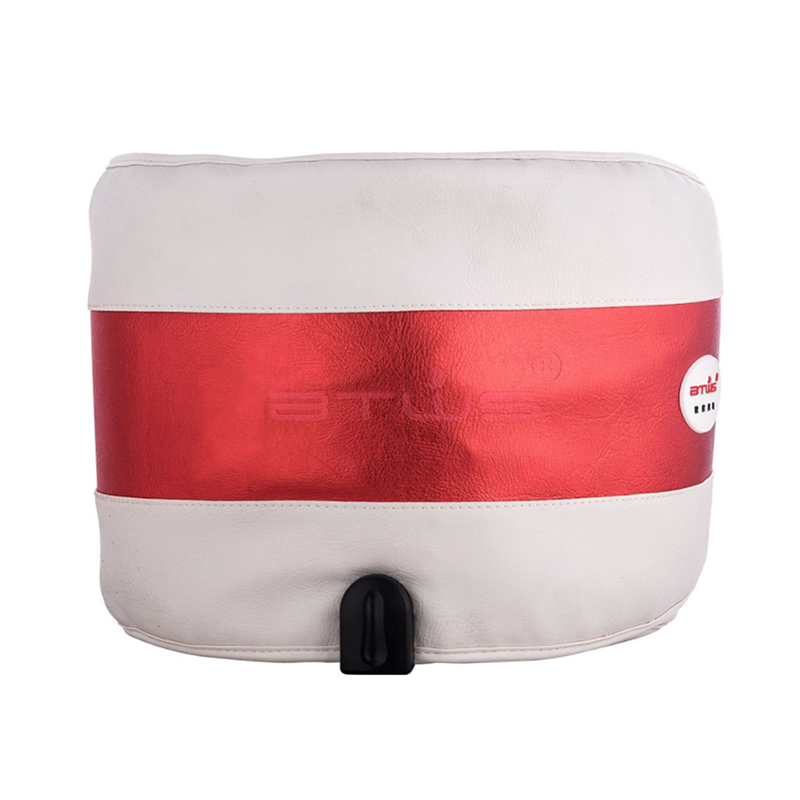
To overcome the limits of passive heat retention, active thermal technology is increasingly adopted. Guangzhou Beautywellness Health Technology Co., Ltd. engineered the Photon Lights Vibration Belt (Model: BW-888), which replaces neoprene and latex with a multi-layered PU leather structure. Instead of trapping body heat passively, it utilizes a 60W carbon fiber heating wire to actively generate temperatures from 30 to 80 degrees Celsius. This active thermal energy is supported by two integrated vibration motors and two structural airbags, providing active lymphatic drainage and deep muscle stimulation.
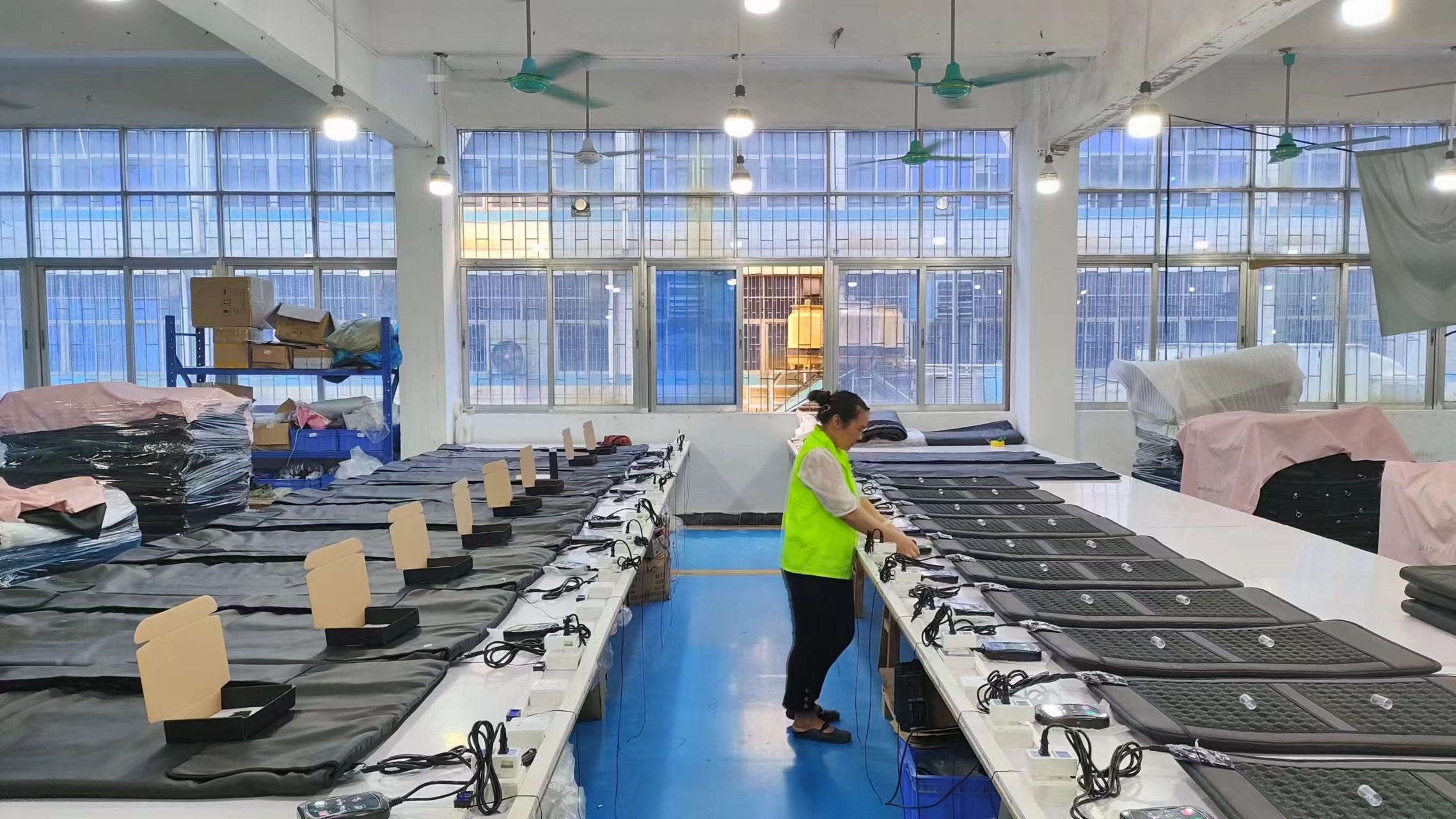
From an international trade perspective, importing passive materials involves lower compliance barriers, but active heating devices require stringent technical certifications. In a recent cooperation case involving far-infrared thermal products exported to the United States and France, verified compliance with CE, RoHS, FCC, and UKCA standards was required to clear customs and secure retail placement on platforms like Amazon. Our factory ensures 100% full inspection for finished products to meet these strict international requirements.
Data/Solution Comparison
To assist wholesale buyers in choosing the correct product category, the table below compares standard neoprene and latex belts against active heat-therapy alternatives:
| Comparison Metric | Neoprene Slimming Belts | Latex Slimming Belts | Photon Lights Vibration Belt (BW-888) | ||||
|---|---|---|---|---|---|---|---|
| Primary Mechanism | Passive heat insulation | High-tension physical compression | Active carbon fiber heating (30-80°C) | Material Base | Synthetic chloroprene rubber | Natural or synthetic rubber latex | Premium PU leather contact surface |
| Allergen & Skin Risk | Hypoallergenic, sweat rash risk | High latex-allergy risk | Non-allergenic, easy-to-clean PU | ||||
| Integrated Features | None (basic strap) | None (steel bones or hooks) | 2 vibration motors, 2 airbags, handheld controller | ||||
| Standard Wholesale MOQ | Varies by supplier | Varies by supplier | 200 pieces | ||||
| Manufacturing Lead Time | Fast (commodity production) | Fast (commodity production) | 15 to 30 days | ||||
| Typical Certifications | Basic textile testing | Basic material safety | CE, RoHS, FCC, UKCA |
Frequently Asked Questions (FAQ)
Q1: Why is neoprene preferred over latex for athletic and workout applications?
A1: Neoprene is highly resistant to sweat, physical stretching, and thermal degradation. It allows for a full range of motion during exercise without cracking, unlike latex, which can degrade rapidly when exposed to skin oils and heavy perspiration.
Q2: What are the main regulatory risks when importing slimming belts globally?
A2: Passive belts primarily face material safety checks (such as REACH in the EU). However, active electronic belts must comply with electromagnetic compatibility and low-voltage directives. Buyers must verify certifications like CE, UKCA, FCC, and RoHS before importing to avoid customs delays.
Q3: Can electronic slimming belts be customized for OEM or ODM orders?
A3: Yes. Factories specializing in advanced health technology can customize technical specifications. For example, customization order MOQ ranges from 50 to 500 units depending on specific modifications to heating elements, voltage requirements (100-240V, 50HZ), or casing designs.
Final Conclusion & Recommendations
Selecting between neoprene and latex depends on the target retail market. Neoprene is the optimal choice for cost-sensitive, high-volume fitness brands focused on athletic sweat belts. Latex remains the standard for waist-cinching shapewear and corset markets prioritizing immediate physical changes. For distributors aiming at high-margin beauty salons, physiotherapy clinics, and home wellness retailers, upgrading to active PU-leather heat therapy belts like the Photon Lights Vibration Belt (Model: BW-888) offers a distinct competitive advantage. Our supply chain supports flexible payment options including TT payment terms (30% deposit, 70% balance), PayPal, and Alibaba Trade Assurance, alongside reliable shipping methods including Seafreight, DHL, UPS, and Airline cargo. For detailed technical solutions or support, please reach out to us via alina@beauty-wellness.cc.
About Us
Guangzhou Beautywellness Health Technology Co., Ltd. is a professional manufacturer established in 2018, specializing in far-infrared heating sauna series, therapy heating mattresses, and beauty spa capsule series. Operating from a 4,000 square meter factory equipped with 6 manufacturing lines, the company maintains a dedicated team of 60 employees, including 5 professional R&D engineers and 1 graphic designer. With an 80% export ratio, our products are widely distributed across Europe, the Americas, South-East Asia, Oceania, and Africa. The company holds international certifications including CE, RoHS, FCC, and UKCA, and has successfully served clients globally with dropshipping and wholesale distribution solutions.
Lastest
-
Can you ship infrared sauna blankets directly to our third-party warehouse in the US using DDP?
2026-07-01 -
How can we verify the safety certifications of your infrared sauna blanket for the UK market?
2026-07-01 -
Can you customize the controller and packaging box of the infrared sauna blanket with our artwork?
2026-07-01 -
What is the minimum order quantity if I want to source infrared sauna blankets with custom sizes?
2026-07-01 -
What is the warranty period for the heating elements in your infrared sauna blankets?
2026-07-01
SUBSCRIBE
INQUIRY